
Trauma-informed inclusive research: what it looks like when a team chooses to lead
It’s been a genuine pleasure to be Consulting Head of Research & Insight with Intent Health over the past year. I’ve been working with a team that takes trauma-informed inclusive research seriously, and backs that commitment with action. They are investing in the practical habits that make patient-centred work possible. They want to advance health equity in ways that are measurable and meaningful. Most importantly, they want their approach to meet the needs of the patient groups they work alongside, and the organisations who come to learn from those lived experiences.
On Thursday 8th October, I travelled down from my little mountain in North Wales to London for an in-person working session. It was well worth it. The insight sharing was generous, and the collaborative energy in the room was genuinely inspiring.
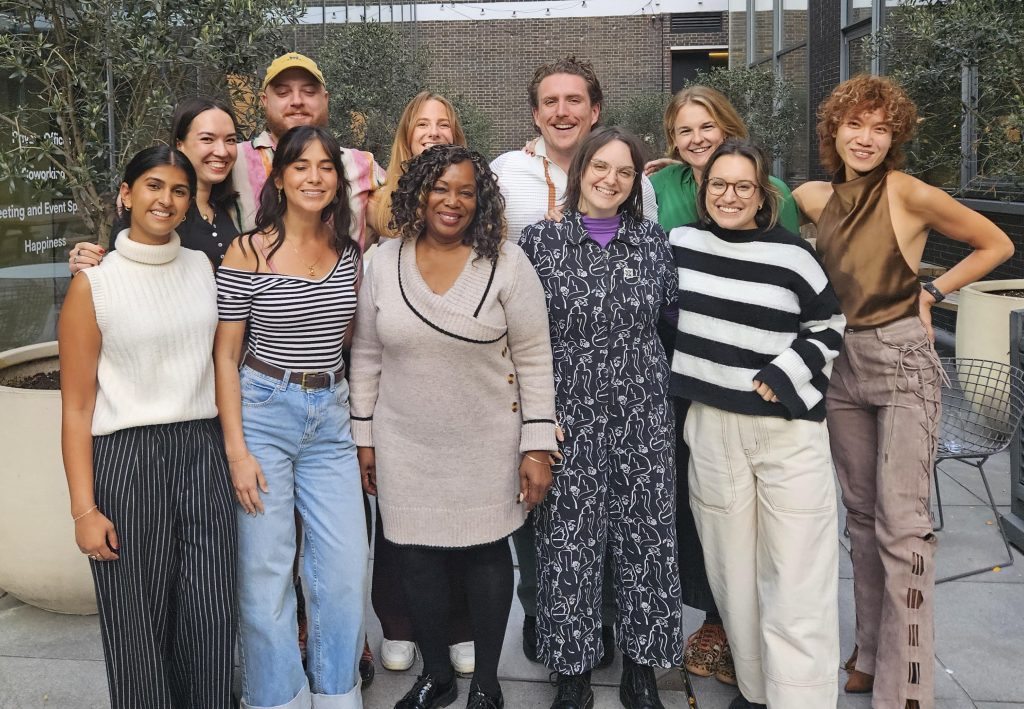
They want to advance health equity in ways that are measurable and meaningful. Most importantly, they want their approach to meet the needs of the patient groups they work alongside, and the organisations who come to learn from those lived experiences.
On Thursday 8 October, I travelled down from my little mountain in North Wales to London for an in-person working session. It was well worth it. The insight sharing was generous, and the collaborative energy in the room was genuinely inspiring.
Want to build this capability in your team?
If your organisation is working in research, insight, engagement, evidence generation, or patient involvement, and you want to strengthen trauma-informed inclusive research practice, I can help.
I support teams through:
- Tailored workshops for research, insight, and engagement teams
- Implementation support, including journey mapping, roles, SOPs, and evaluation
- Advisory support for inclusive research strategy, with rare conditions and health equity in view
To explore what this could look like for your team, email info@rareqol.co.uk.
What was this session about
This session was about leadership, not theory. The team wanted a sharper vision for trauma-informed inclusive research going forward. They also wanted clarity on what “good” looks like in practice, especially in relation to rare conditions. We focused on how to lead with patient centricity, while staying grounded in equity and trust.
We began by aligning on intent and ambition. The team wanted to strengthen how they translate patient centricity into consistent practice. We talked about trust, and why it matters so much for people living with rare conditions and communities experiencing health inequity. We also reflected on how experiences and stories travel through communities and networks. That context shapes whether research feels worth engaging with, even before an invitation is offered.
We used case examples and learning from the wider evidence base to support the conversation. This included reflections linked to “No One is Listening” narratives, and what they can teach us about the importance of listening, respect, and follow-through. The goal was to deepen shared understanding, and to keep the work grounded in real lives.
From there, we focused on the research journey as a whole. We looked at where teams can make participation easier, clearer, and more supportive. We also explored how to build confidence and consistency across roles.t.
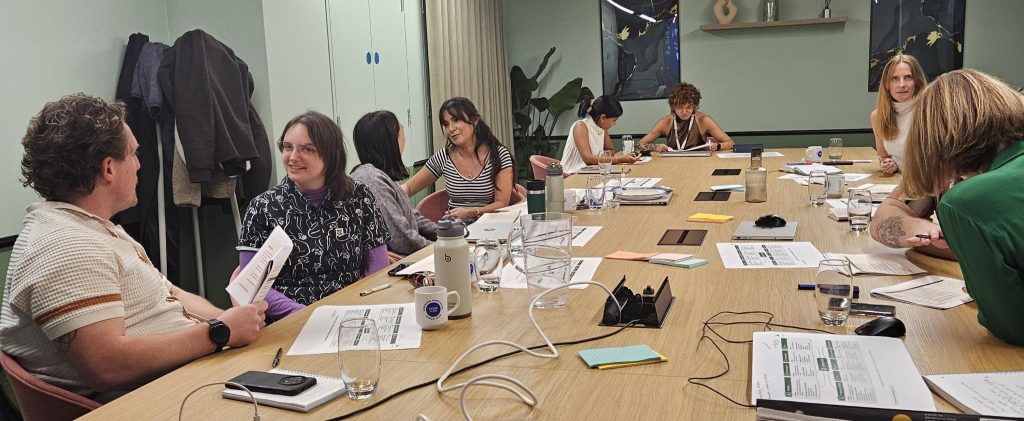
We began by aligning on intent and ambition. The team wanted to strengthen how they translate patient centricity into consistent practice. We talked about trust, and why it matters so much for people living with rare conditions and communities experiencing health inequity. We also reflected on how experiences and stories travel through communities and networks. That context shapes whether research feels worth engaging with, even before an invitation is offered.
We used case examples and learning from the wider evidence base to support the conversation. This included reflections linked to “no one is listening” narratives, and what they can teach us about the importance of listening, respect, and follow-through. The goal was to deepen shared understanding, and to keep the work grounded in real lives.
What “good” looks like: the research process journey
A big part of the day was practical design work. The team mapped the patient journey through the research process. They identified the moments that matter most, and the best approaches to use at each stage. They also clarified roles and responsibilities going forward. That helps inclusive practice stay consistent, even as projects and priorities change.
We worked through several core areas:
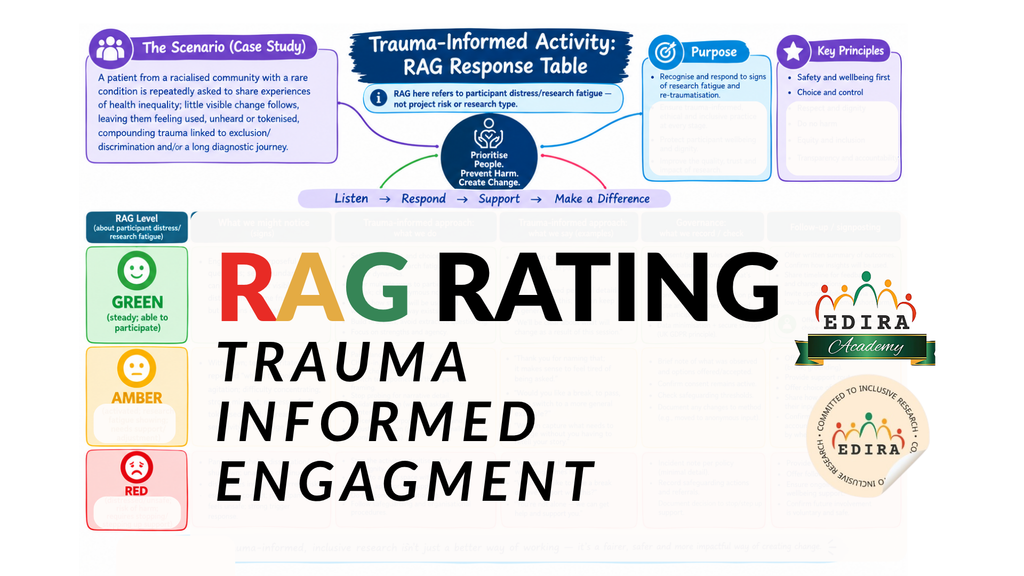
- Trauma-informed approaches: including a simple RAG rating (Red, Amber, Green) to sense-check risk and psychological safety.
- Equality and equity: including how the Equality Act 2010 connects to health equity in real-world research practice
- Accessibility: including reasonable adjustments as a standard expectation.
- Governance, including decision-making, safe systems, ethics and data management.
- Case examples: rare disease and ethnic minority communities.
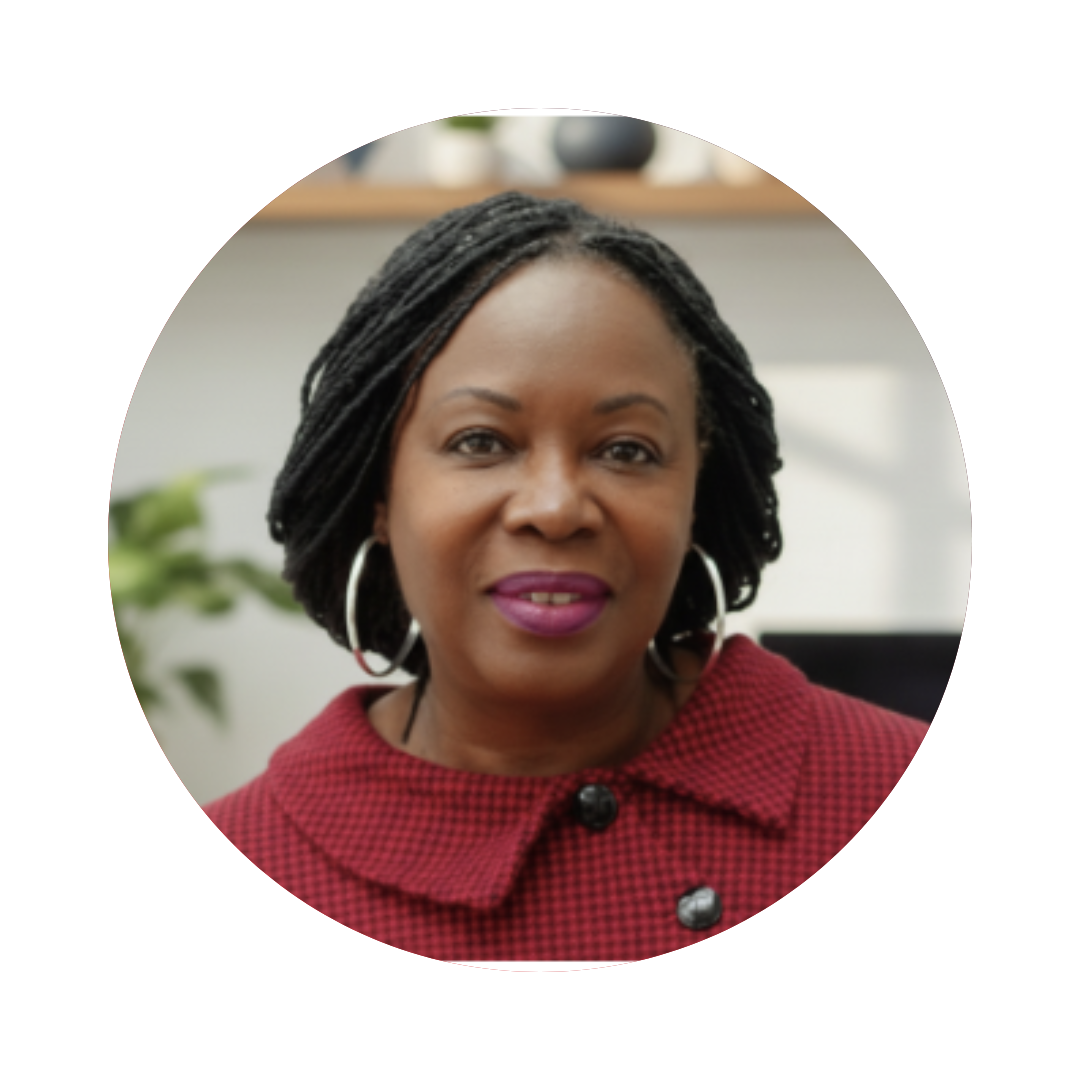
This is what good teams do.
They take what already works and make it stronger.
They build shared language, shared standards, and shared confidence.
That is how excellence becomes repeatable.”.
– Dr Sondra Butterworth
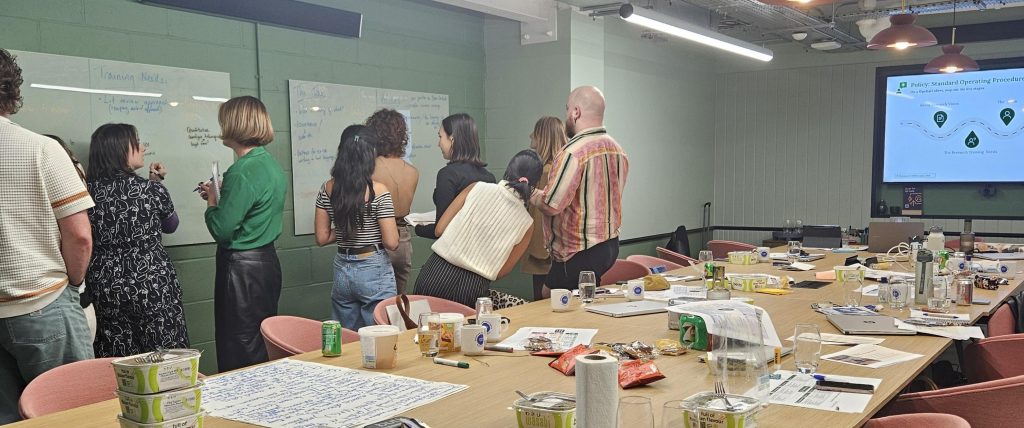
Developing and enhancing a Standard Operating Procedure
A big part of the day was practical design work. The team mapped the patient journey through the research process. They We then moved into what implementation looks like. We explored what strong standard operating procedures (SOPs) could be for trauma-informed inclusive research. We also considered the wider policy context shaping expectations and accountability. That included the direction of travel and the changing health care landscape within the NHS and the UK Rare Disease Framework.
The aim was not to produce a glossy statement. It was to agree a workable approach that can be repeated, improved, and evidenced. That is how trust is built over time. It is also how teams become credible leaders in this field.
Evaluation
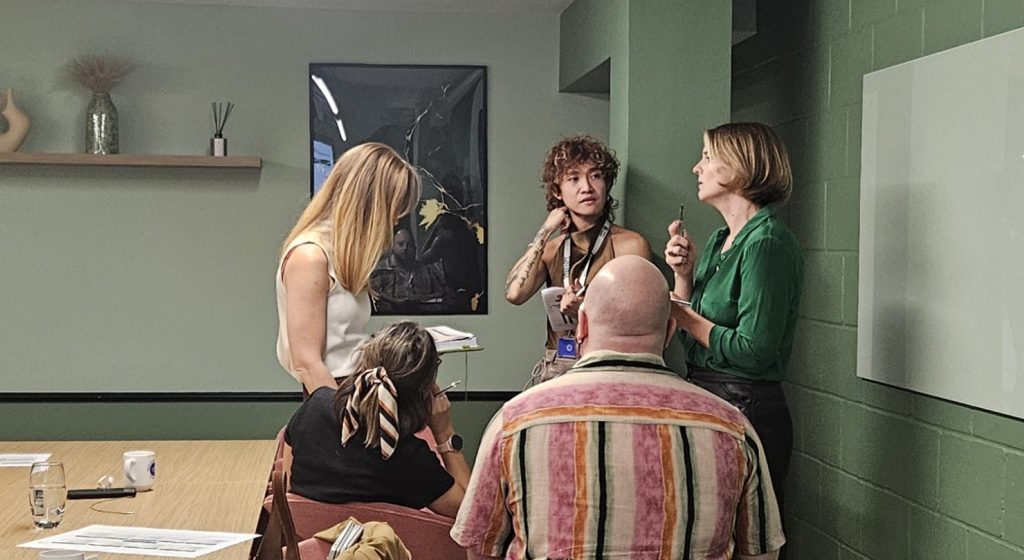
Evaluating the session matters because it turns a good, energetic day into something you can learn from, evidence, and build on. Reflection time captures what landed for people, what felt most useful, and what needs more support. It also helps you check whether the session met its purpose, not just whether people enjoyed it. In trauma-informed and equity-focused work, that distinction is important because impact is about changes in confidence, clarity, and practice.
We built in time at the end for discussion, reflection, and evaluation. This matters because it helps teams capture learning while it is fresh, and agree what happens next. It also provides a simple record of what changed, what was most useful, and where the team wants to go deeper.
.
What the team said
Sondra is an amazing facilitator and trainer. Her knowledge and skills across research are incredibly useful and will surely make a great difference to our team..”
Intent Health team.
Frequently Asked Questions
FAQ
What is trauma-informed inclusive research?
Trauma-informed inclusive research recognises that people come into research with lived experience — including experiences of harm, dismissal, stigma, racism, exclusion, diagnostic delay, or systems that haven’t always been safe or trustworthy. In practice, it means designing research in ways that reduce harm, reduce burden, and increase psychological safety, while still producing robust evidence. It also means paying attention to who is missing, why they’re missing, and what would need to change for participation to feel possible and worthwhile.
What does “good” look like in practice?
“Good” looks like repeatable behaviours, not a glossy statement. It includes clear expectations for respectful communication, accessible participation, and reasonable adjustments as standard. It includes role clarity, governance, and a commitment to follow-through — so people aren’t left feeling used, unheard, or forgotten. Most importantly, it looks like teams being willing to learn, adapt, and evidence improvement over time.
How can a team start embedding trauma-informed inclusive research?
Start by mapping the participant journey end-to-end (not just recruitment) and identifying the “moments that matter” where trust is built or lost. Then agree a small set of practical standards your team can apply consistently — for example: a simple risk/psychological safety check (such as a RAG rating), clear ownership for reasonable adjustments, and SOPs that make inclusive practice the default. Build in evaluation from the start, so you can show what changed and why it matters.
What should we include in SOPs for trauma-informed inclusive research?
Strong SOPs typically cover: how invitations are written and delivered; how consent is supported; how burden is reduced; how adjustments are offered and recorded; how distress or risk is identified and responded to; how feedback and results are shared; and how learning is captured and improved. The goal is consistency — so good practice doesn’t depend on one person, one project, or one moment in time.
Can you support our organisation with this?
Yes. I support research, insight, engagement, evidence generation, and patient involvement teams through tailored workshops, implementation support (journey mapping, roles, SOPs, evaluation), and advisory support for inclusive research strategy with rare conditions and health equity in view.
Email info@rareqol.co.uk with “Trauma-informed inclusive research” in the subject line.